One of the benefits of modern vinyl and fiberglass replacement windows is that they are designed to resist warping, swelling, corrosion, and weather-related frame distortion better than many older window materials. True frame warping can still happen, but it is more common in aging wood windows, lower-quality vinyl products, poorly installed units, or windows exposed to long-term structural stress.
In Dallas–Fort Worth homes, a window that sticks, won’t lock properly, or appears uneven is not always caused by the window frame itself. Foundation movement, installation issues, shifting wall openings, and age-related wear can also affect how the window sits, seals, and operates.
Is Window Frame Warping Really the Problem?
While extreme conditions can affect any building material over time, most operational issues involving newer vinyl windows are caused by factors outside the frame itself. Problems with the home’s structure, settling, or installation are often the real source of the symptoms homeowners experience.
That doesn’t mean windows are immune to damage. Prolonged exposure to heat, moisture, and structural stress can still affect performance.
Foundation Movement
Even relatively small amounts of foundation movement can affect the shape and alignment of window openings.
When this happens, windows may become more difficult to open, close, lock, or seal properly. In some cases, what appears to be a window problem may actually be related to movement elsewhere in the structure.
The Effects of Texas Sun and Heat
DFW summers are tough on exterior building materials. Prolonged sun exposure and extreme temperatures can place significant stress on windows and surrounding structures.
As temperatures rise, materials naturally expand. When temperatures cool, they contract. This process, known as thermal expansion and contraction, occurs continuously throughout the year.
Although modern vinyl windows are designed to accommodate these changes, years of exposure can contribute to alignment issues, particularly if installation tolerances were already tight or if structural movement is present. South- and west-facing windows often experience the greatest exposure to intense sunlight and heat.
Moisture Intrusion Can Create Bigger Problems
Water is another common contributor to window-related issues.
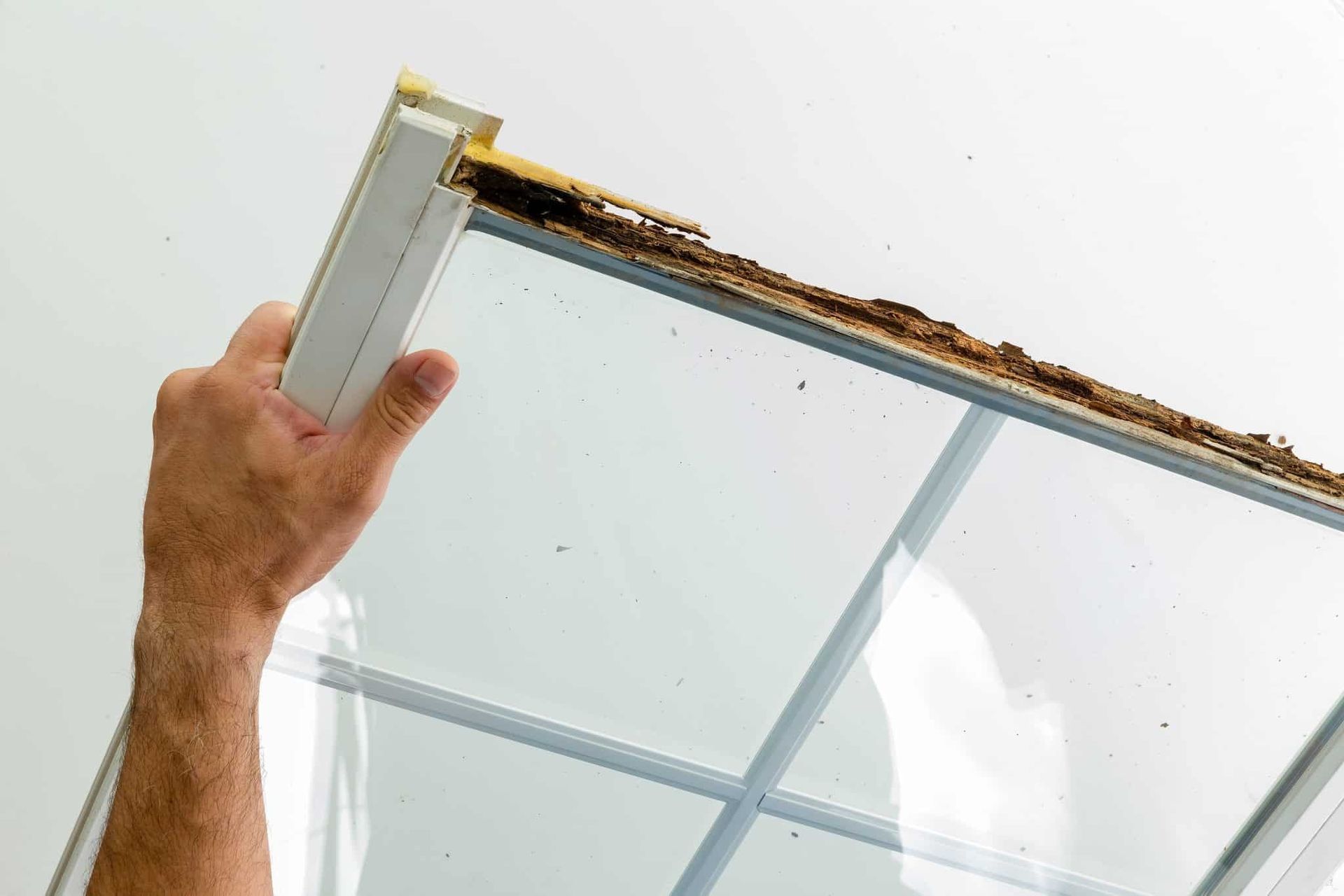
When moisture infiltrates around a window opening due to failed flashing, deteriorated caulking, or drainage problems, it can affect surrounding framing materials. Wood components exposed to repeated moisture may swell, deteriorate, or lose structural integrity over time.
As surrounding materials change shape, the window opening itself may become distorted. This can create pressure points that affect operation and alignment.
Homeowners may notice peeling paint, staining, soft spots near the frame, or recurring condensation issues alongside window performance problems.
Installation Issues Can Surface Years Later
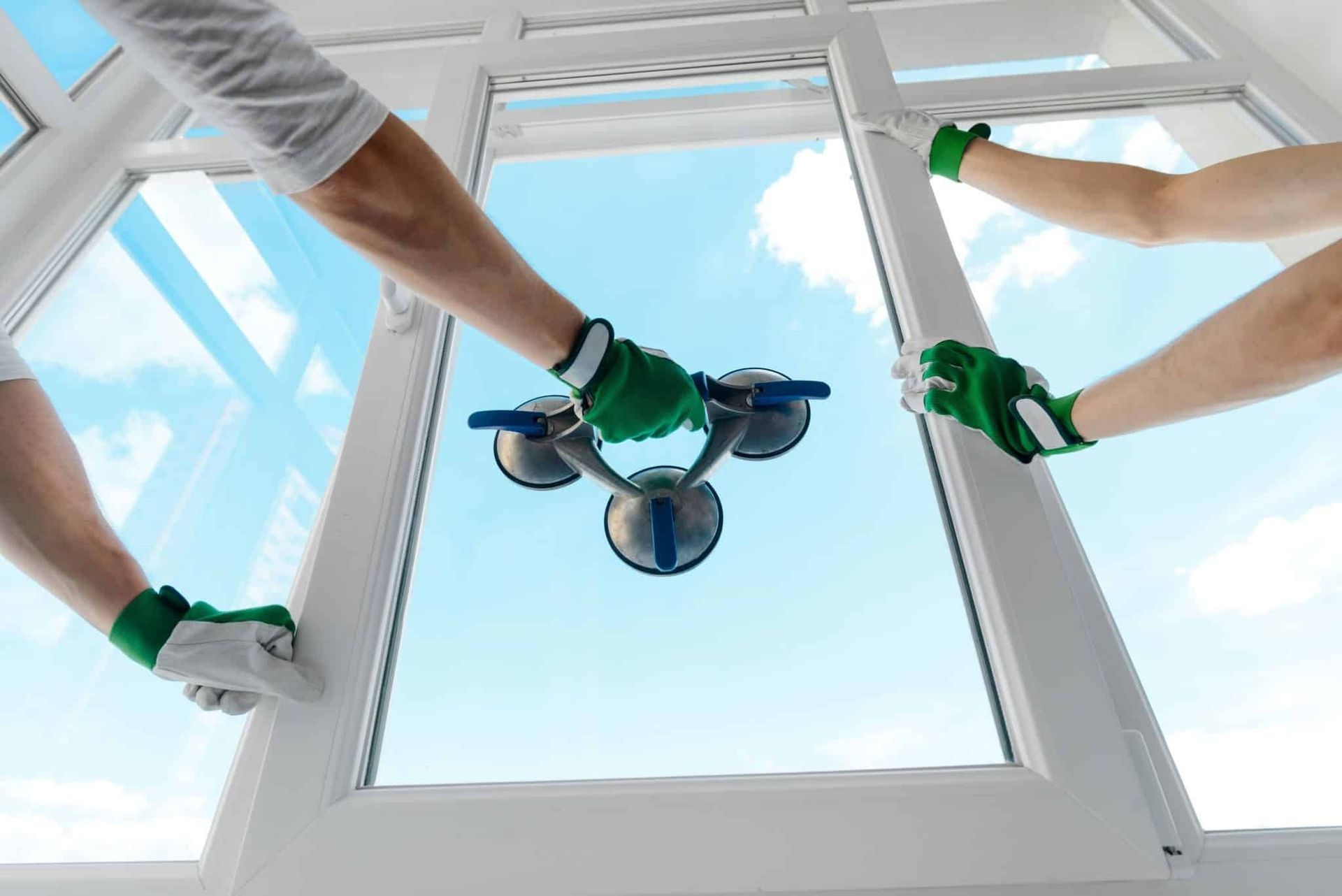
Not every window problem develops because of age or environmental conditions. Improper installation can create operational issues from the beginning, even if they don’t become obvious until years later.
If a window was not installed square, level, or properly supported, normal settling and thermal movement can gradually worsen the situation. Small alignment problems may become larger over time, leading to difficulty opening, closing, or locking the window.
Warning Signs Homeowners Notice First
Whether the cause is foundation movement, moisture intrusion, thermal stress, or installation problems, homeowners often notice similar symptoms:
- Sticking or difficult-to-operate sashes
- Windows that won’t stay open or closed properly
- Locks that are difficult to engage
- Uneven gaps around the window frame
- Drafts entering the home
- Increased outdoor noise
- Visible bowing or distortion around the opening
- Water intrusion during storms
How to Tell if It’s a Window Problem or a Structural Problem
If only one window is experiencing problems, the cause may be related to that specific window’s hardware, installation, or age. However, if multiple windows throughout the home suddenly become difficult to operate, foundation movement or structural settling may be contributing factors.
Additional signs such as interior wall cracks, doors that stick, uneven flooring, or gaps around trim can further suggest a larger structural issue rather than a window-specific failure.
Get High-Quality Replacement Windows Installed the Right Way in DFW
At Window Zone, we help homeowners in Dallas and Fort Worth evaluate window performance issues and determine the best path forward.
Contact us at 469.557.6333 to schedule a consultation and learn how high-quality replacement windows can improve your home’s comfort, energy efficiency, and long-term performance.